Current state of forest management
Local activities that protect forests and make use of trees
In the Kiso region, a culture of living in harmony with forests has flourished since ancient times. Efforts continue to protect the vast forest resources while utilizing their blessings in daily life. Here, we introduce the main initiatives that support forestry in Kiso.
01
Forest maintenance project
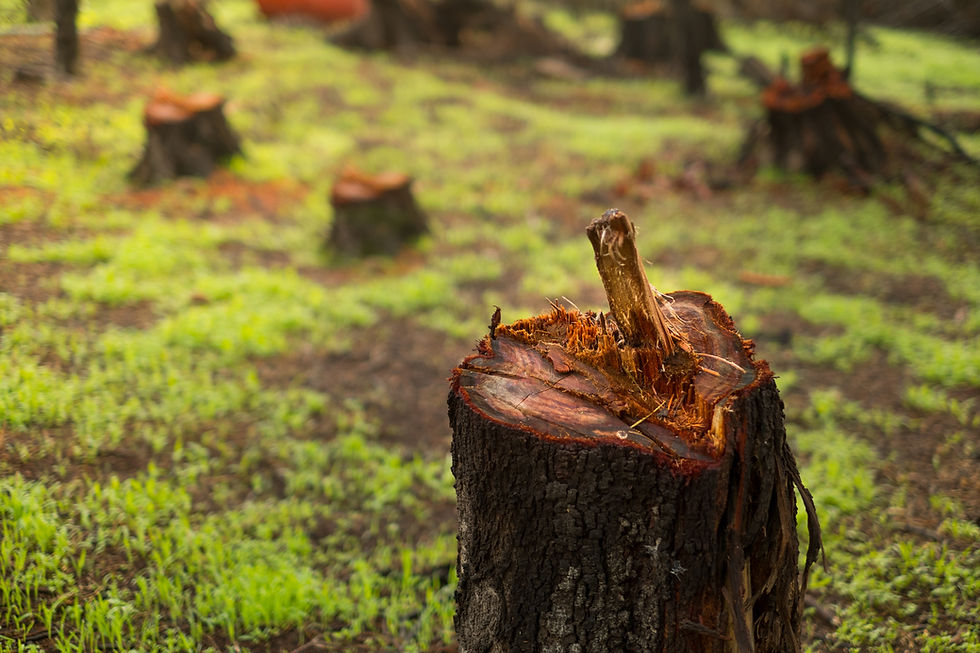
Forest management is an essential effort for maintaining healthy forests. In the Kiso region, activities such as afforestation, undergrowth clearing, and thinning are carried out to create an environment in which trees can grow healthily. Thinning, in particular, plays a role in maintaining the health of the forest by appropriately removing trees from overcrowded forests, thereby promoting the growth of the remaining trees. Through such management, the forests protect water sources, prevent landslides, and conserve biodiversity. Forestry in Kiso plays an important role not only in producing timber but also in protecting the natural environment.
02
Timber sales business
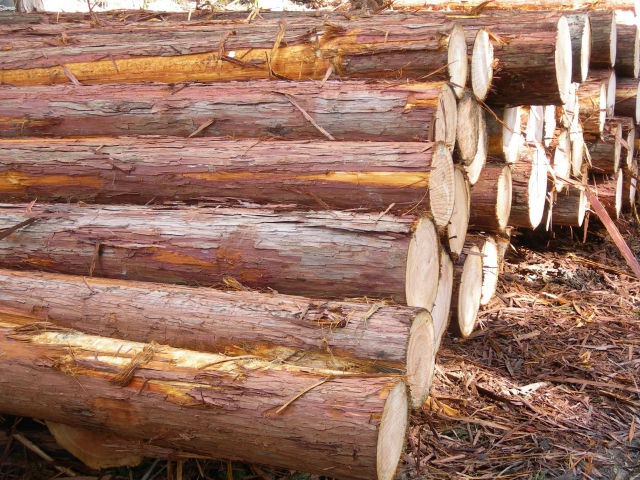
Timber harvested from forests is shipped to market as logs and used as building materials and processed lumber. The Kiso region produces high-quality timber, including Kiso cypress, which is highly regarded as building material. The logs are traded through timber markets and supplied to construction companies and sawmills throughout Japan. Kiso timber is characterized by its strength, durability, and beautiful grain, making it an important material that supports Japan's wooden architecture culture. Timber sales are also an important source of income for the local forestry industry and play a role in supporting the cyclical use of forest resources.

03
Sawmilling and woodworking business
The felled logs are transported to sawmills where they are processed into materials suitable for construction and furniture making. During the sawing process, the logs are cut into planks and pillars, and then dried and treated to improve the quality of the timber. The Kiso region has sawmills and woodworking businesses that utilize local timber to create products. The processed timber is used in house construction and furniture making, contributing to the utilization of Kiso's forest resources as a local industry. Processing timber within the region creates a cycle of forestry and economic activity.
Voices from the field

name
Affiliation
comment

name
Affiliation
comment

name
Affiliation
comment

name
Affiliation
comment
Understanding Kiso's forests through numbers
The Kiso region is one of Japan's leading forest areas.
Here, we introduce the charm of the Kiso Forest through the "number 10," which symbolizes the forest.
① Approximately 90%
forest rate
Approximately 90% of the Kiso region is covered in forest. Surrounded by mountains, this area is home to the Kiso cypress forest, considered one of Japan's three most beautiful forests.
② 3067m
Elevation of Mount Ontake
Mount Ontake is a sacred mountain with an elevation of 3,067 meters, and is a representative mountain of the Kiso region.
It is the source that creates abundant water and nature, and nurtures the forests.
③ 1300 years
Connection with Ise Grand Shrine
At Ise Grand Shrine in Mie Prefecture, the "Shikinen Sengu" ceremony, which has been held for approximately 1300 years, is taking place.
Kiso cypress wood is used in the construction of the shrine buildings, supporting Japan's religious culture.
④ 20 years
Shikinen Sengu (periodic rebuilding of the shrine)
At Ise Grand Shrine, the shrine buildings are rebuilt every 20 years.
Some of the sacred trees used in this ritual are cut down from the forests of Kiso.
⑤ 5 types
Kiso Five Trees
The following five types of trees were protected during the Edo period:
・Hinoki ・Sawara ・Nezuko ・Asunaro ・Koyamaki
These are known as the "Five Trees of Kiso."
⑥ About 300 years
History of Forest Conservation
During the Edo period, forests were protected by the "Forest Reservation System" implemented by the Owari Domain.
This system has helped protect the forests of Kiso.
⑦ Maximum 400km
Forest railway
A network of forest railways once crisscrossed the mountains of Kiso.
To transport timber felled deep in the mountains, Japan had one of the largest forest railway networks.
⑧ One tree
Kiso River
Forests absorb carbon dioxide and contribute to preventing global warming.
The forests of Kiso also play an important role in protecting the global environment.
⑨ Clear stream
Kiso River
The Kiso River, which flows through the Kiso region, is approximately 229 km long. It is a clear stream that originates from Mount Ontake.
The water nurtured by the forests supports the natural environment and the lives of the people in the river basin.
⑩ Four seasons
Forest of the Four Seasons
The fresh green leaves of spring, the deep forests of summer, the vibrant autumn foliage, and the snowy landscapes of winter.
The forests of Kiso display beautiful scenery in every season.
The forests of Kiso possess a charm that cannot be fully described by numbers alone.
Forests that have been preserved throughout a long history are imbued with the essence of Japanese nature and culture.