
The charm of the region
Information on housing, food, and other essential aspects of daily life.
Lifestyle Information
Located in the southwestern part of Nagano Prefecture, the Kiso region is a naturally rich area surrounded by mountains, including Mount Ontake. With forests covering much of its area and the pristine Kiso River flowing through it, a lifestyle in harmony with nature remains highly valued.
During the Edo period, it flourished as a post town on the Nakasendo road, and the streetscapes of that time still remain in places like Narai-juku and Tsumago-juku. These historic townscapes are valuable resources that convey the architectural culture using Kiso timber to the present day.
The Kiso region is blessed with a tranquil environment surrounded by mountains and rivers, as well as the beauty of the four seasons. From the fresh greenery of spring, the deep forests of summer, the vibrant autumn foliage, and the snowy landscapes of winter, nature, which shows a different face with each season, is an integral part of people's lives.
The Kiso region is a place where abundant nature and rich history and culture coexist. Here, you can experience a relaxed pace of life in a mountain village.

Tsumago-juku and Narai-juku – Two post towns that adorn the Kiso Road
The Kiso Road was home to many post towns that welcomed travelers along the Nakasendo highway during the Edo period. Among them, Tsumago-juku in Minami-Kiso Town and Narai-juku in Shiojiri City are particularly well-known.
Tsumago-juku is known as the first place in Japan to seriously undertake the preservation of a post town's streetscape. Since the 1970s, the residents themselves have continued to protect the streetscape based on the principles of "don't sell, don't rent, don't destroy," and it still conveys the atmosphere of the Edo period to this day.
On the other hand, Narai-juku was the largest post town among the 69 stations of the Nakasendo highway, and it flourished to the point of being known as "Narai Senken" (Narai of a Thousand Houses). Beautiful buildings made of Kiso cypress stretch for about 1 kilometer, giving a sense of the bustling atmosphere of travelers at that time.
Both post towns developed in close connection with Kiso's abundant forest resources. High-quality timber, exemplified by Kiso cypress, was used in houses and everyday tools, quietly telling the story of how the Kiso forests supported people's lives and culture.

Life in a mountain village in Kiso - Wisdom for living in harmony with the forest
In the mountain villages of Kiso, people's lives have long been deeply intertwined with the forest. Surrounded by steep mountains, the Kiso Valley has little flat land, and much of life has been supported by the blessings of the forest. From firewood, charcoal, and timber used for construction, to wild vegetables, mushrooms, and pure water, the forest has been an indispensable part of daily life.
Furthermore, forestry has developed as an important livelihood in Kiso, and a culture of protecting the mountains while nurturing trees has been passed down through generations. It's not a case of cutting down trees and being done with it; rather, they plant trees to cultivate the next generation of forests and continue to maintain them. This practice has shaped the rich forests of Kiso today.
The people of these mountain villages have lived modestly, enjoying the blessings of the forest amidst the changing seasons. Their wisdom of life and respect for nature are the great forces that have kept the Kiso forests alive.

A place to encounter the forest
The Kiso region is known as one of Japan's leading forest areas. Approximately 90% of the region is covered in forest, and it is home to the Kiso cypress forest, which is considered one of Japan's three most beautiful forests.
A prime example of a place to experience the forests of Kiso is Akasawa Nature Recreation Forest. Known as the birthplace of forest bathing, it offers a beautiful forest where centuries-old cypress trees stand tall. Furthermore, a sightseeing train on the former forest railway, which once supported the forestry industry, also runs through the area, allowing visitors to experience the history of Kiso's forestry.
Furthermore, at the foot of Mount Ontake, known as a sacred mountain, there are clear streams, waterfalls, and lush forests, attracting people who enjoy nature walks and mountain climbing.
The tranquility of the deep forest, the crisp air, and the ever-changing beauty of nature throughout the seasons—the forests of Kiso offer encounters with nature unlike anything you experience in everyday life.
Mori to Akasawa Nature Recreation Forest - The Hometown of Kiso Cypress
Nestled deep within the Kiso Valley, the Akasawa Natural Recreation Forest is known as one of Japan's most beautiful cypress forests. This area has long been carefully preserved as a source of "Kiso cypress," and even today, trees hundreds of years old stand quietly in its rows.
Akazawa Forest is part of the "Imperial Forest" that has been strictly managed since the Edo period, and has nurtured high-quality cypress trees used in important Japanese architecture, including the sacred trees of Ise Grand Shrine. Protected by human hands, yet retaining the richness of nature, this forest truly tells the story of the history of Kiso forestry.
Now known as the birthplace of forest bathing, visitors can walk through the forest enveloped in pure air and the scent of cypress. Akasawa Nature Recreation Forest is a special place where you can experience the charm and history of the Kiso forest.

Kiso Forest Railway – A mountain railway connecting forests and people
The Kiso Road was home to many post towns that welcomed travelers along the Nakasendo highway during the Edo period. Among them, Tsumago-juku in Minami-Kiso Town and Narai-juku in Shiojiri City are particularly well-known.
Tsumago-juku is known as the first place in Japan to seriously undertake the preservation of a post town's streetscape. Since the 1970s, the residents themselves have continued to protect the streetscape based on the principles of "don't sell, don't rent, don't destroy," and it still conveys the atmosphere of the Edo period to this day.
On the other hand, Narai-juku was the largest post town among the 69 stations of the Nakasendo highway, and it flourished to the point of being known as "Narai Senken" (Narai of a Thousand Houses). Beautiful buildings made of Kiso cypress stretch for about 1 kilometer, giving a sense of the bustling atmosphere of travelers at that time.
Both post towns developed in close connection with Kiso's abundant forest resources. High-quality timber, exemplified by Kiso cypress, was used in houses and everyday tools, quietly telling the story of how the Kiso forests supported people's lives and culture.

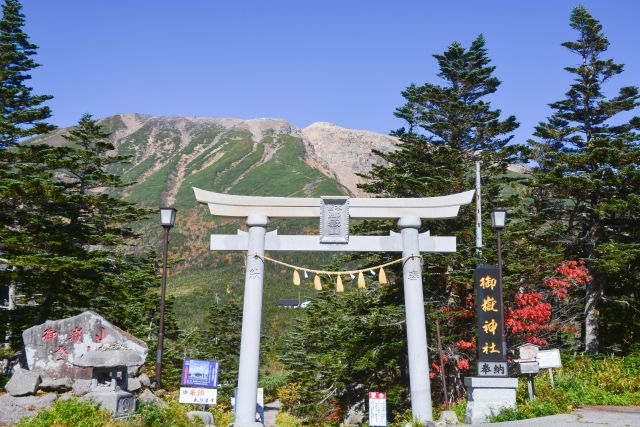
The scenery of Mount Ontake - A sacred peak watching over the forests of Kiso
Mount Ontake, which can be seen from anywhere in the Kiso Valley, is a representative mountain of Kiso, boasting an elevation of 3,067 meters. Since ancient times, it has attracted the faith of people as a sacred mountain and has been deeply intertwined with the life and culture of Kiso.
The ever-changing scenery of Mount Ontake throughout the seasons is a symbol of Kiso's nature. In spring, its snow-capped white slopes stand out against the blue sky, and in summer, it reveals its majestic form surrounded by deep green forests. In autumn, the foothills are adorned with the beauty of autumn leaves, and in winter, its dignified form, covered in pure white snow, is revealed.
Mount Ontake is also a mountain that produces abundant water. The pure water flowing from the mountain becomes the Kiso River, nourishing the forests and supporting the lives of the people. The forests of Kiso, the lives of the mountain villages, and the culture of faith—Mount Ontake still stands silently on the Kiso land, watching over all of it.

The Kiso River Valley – A magnificent landscape created by forests and water.
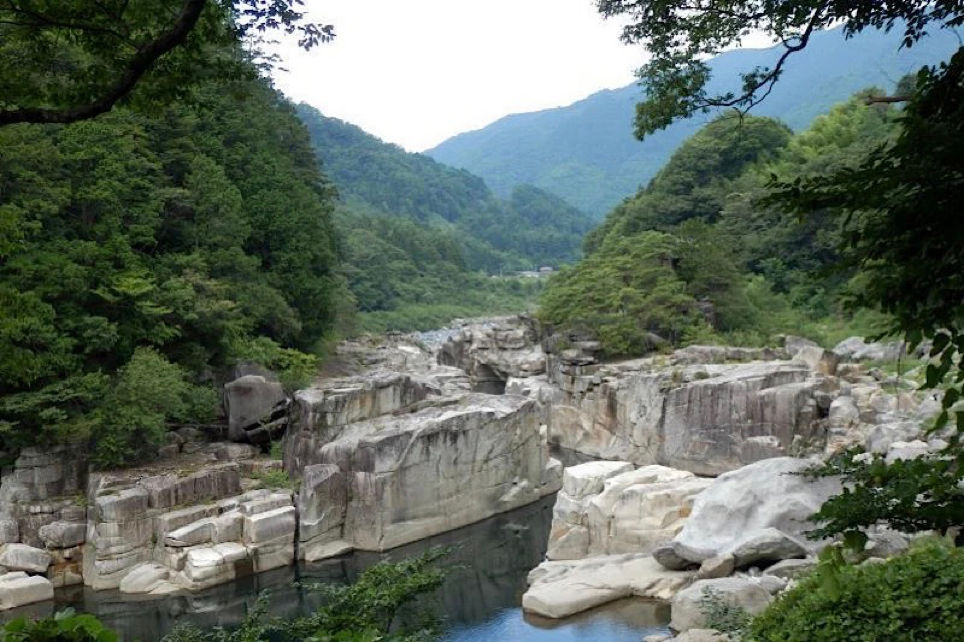
The rain and snowmelt that fall on the Kiso Mountains eventually gather to form the Kiso River, which flows through deep valleys. Over long periods of time, the water flowing from mountains such as Mount Ontake has eroded the rocks, creating the beautiful valley scenery unique to the Kiso Valley.
Along the river, giant rocks and unusual formations are scattered, and the landscape, a blend of clear water and deep forests, is one of Kiso's most representative natural attractions. Among them, Nezame-no-Toko in Agematsu Town is known as a scenic spot formed by the erosion of granite over many years, and it is a place where you can feel the power of nature on the Kiso River.
The Kiso River is more than just a river; it is a vital entity that has supported the forests of Kiso and the lives of its people. Carrying the blessings of the mountains and nurturing abundant nature, it continues to flow through the Kiso Valley in the same form it has always been.
Kiso's food
The Kiso region boasts a unique food culture nurtured by life in the mountains. The cuisine, which takes advantage of the large temperature fluctuations and the bounty of the mountains, is simple yet deeply flavorful.
One of the representative dishes is "Goheimochi." This dish, made by mashing rice, skewering it, coating it with a sauce made from miso and walnuts, and then grilling it, is widely known as a local specialty of Kiso.
Furthermore, "Kiso soba," made with pure water, is a representative flavor of the region. In particular, "touji soba," where the soba is warmed in a pot while being eaten, is a popular way of eating soba unique to Kiso.
Furthermore, Kiso has a fermented food called "sunki-zuke." It is a traditional pickle made using lactic acid fermentation without the use of salt, and has been made for centuries as a winter food to preserve.
The food culture of Kiso is a product of the blessings of the mountains and the wisdom of its people. Here, the history of a region living in harmony with nature breathes life into the culture.
.jpg)
Kiso Soba – A traditional flavor nurtured by mountain life
When visiting Kiso, many people look forward to trying "Kiso soba" (buckwheat noodles). The Kiso Valley, surrounded by mountains, was once a difficult place to grow rice. Therefore, buckwheat, which can grow even in a cool climate, has been a beloved staple food for the people of the mountain villages.
Kiso soba noodles are characterized by their fragrant aroma and simple yet robust flavor. Many restaurants still make their soba by hand using traditional methods, and the dipping sauces and condiments are unique to each region. The soba enjoyed in the restaurants of post towns and mountain villages embodies the history of the Kiso Road, which has welcomed travelers for generations.
Furthermore, soba noodle making is deeply intertwined with the natural environment of Kiso. Pure water, cool air, and the bounty of the mountains have nurtured flavorful soba noodles. The taste, passed down through generations in the forests and mountain lifestyle of Kiso, continues to captivate many people today.

Kiso's pickled vegetable "Sunki" - A fermentation culture passed down in mountain villages
"Sunki," a local specialty of Kiso, is a traditional pickled vegetable made by fermenting red turnip leaves with lactic acid. Its distinctive feature is that it is fermented without the use of salt, making it one of the rare fermented foods in Japan.
Sunki, a preserved food that has been prepared in each household as winter approaches, naturally ferments in the harsh cold of Kiso, creating a unique sourness and refreshing taste. It is a preserved food born from the wisdom of life in the mountain village and was an important part of the food culture for getting through the long winters.
Sunki can be eaten on its own, but "sunki soba," which is served on top of warm soba noodles, is known as a representative specialty dish of Kiso. Sunki, which has been nurtured in the lifestyle of Kiso surrounded by forests and mountains, has a simple yet profound flavor born from the region's nature and the wisdom of its people.

Toji Soba - A local flavor that warms you up in the winter of Kiso
Touji Soba, a popular local dish in Kiso, is a unique soba noodle dish where the noodles are dipped into a pot of warm broth using a small basket woven from bamboo. The name "touji" is said to come from the action of passing the noodles through the hot water in the basket.
In a large pot, a warm broth is prepared containing the bounty of the Kiso mountains, such as mushrooms, wild vegetables, and chicken. Soba noodles are then quickly dipped into a basket before being served in individual bowls. Touji soba, enjoyed by families and friends gathered around the pot, is a warm and comforting food culture that originated in the cold winters of Kiso.
Buckwheat grown in pure water, mushrooms and wild vegetables gathered from the mountains, and the cold climate—these blessings of nature combine to create a unique local dish that has been passed down through generations in Kiso. Touji soba is a dish that allows you to feel the life and warmth of the people in the mountain villages of Kiso.

Kiso's local sake - Sake from a mountain village nurtured by pure water.
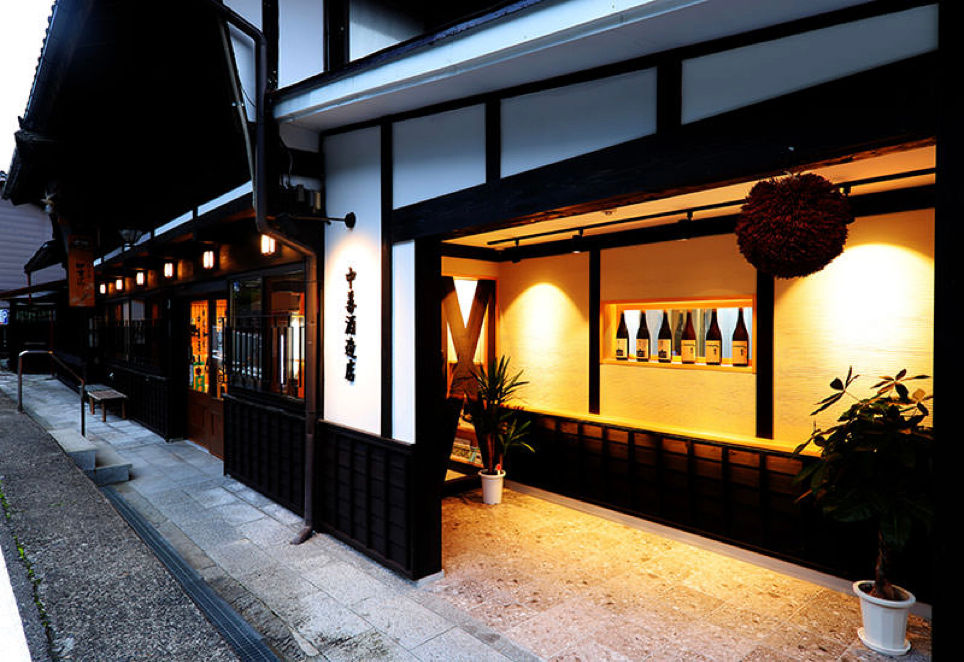
In the region surrounded by the mountains of Kiso, the production of high-quality sake has been practiced since ancient times. The pure water that springs from the mountains, including Mount Ontake, and the cool climate are ideal for sake brewing, and traditional sake breweries are still scattered throughout the Kiso Valley.
Representative sake breweries in Kiso Fukushima include Nakazen Sake Brewery and Nanasho Sake Brewery, each continuing to produce unique sakes that make the most of the local water and rice. During the cold winter months, the master brewers and brewery workers meticulously work on the brewing process, and over time, fragrant sake is produced.
Kiso's local sake pairs well with mountain village cuisine and has long been enjoyed alongside soba noodles, wild vegetable dishes, and other regional specialties. Produced with water nurtured by the rich forests and the skills of the local people, Kiso's sake continues to convey the unique culture and flavor of this region.
Kiso culture
Kiso District in southwestern Nagano Prefecture is a mountainous region where a unique way of life and culture has flourished since ancient times. With its history as a post town along the Nakasendo highway, many townscapes still retain the atmosphere of the Edo period.
The culture of wood, centered around Kiso cypress, is symbolic of this region. Thanks to the strictly protected forests and a spirit of respecting and utilizing wood, excellent woodworking techniques and toolmaking have developed and been passed down to the present day.
Furthermore, traditional performing arts and festivals, such as the Taidai Kagura, which are linked to the worship of Mount Ontake, remain and are deeply rooted in the lives and spiritual culture of the people. The fact that post towns like Narai-juku and Tsumago-juku are carefully preserved also demonstrates the high level of awareness among the local people regarding the preservation of their culture.
In this way, Kiso County is a place where wisdom for living in harmony with nature, faith, and historic townscapes intertwine, and a unique culture still thrives there today.

Kiso cypress and sacred tree culture – forests that have supported Japanese history
When discussing Kiso, "Kiso cypress" is an indispensable part of its culture. The cypress trees that grow in the mountains of Kiso are known for their fine annual rings and rich fragrance, and have been cherished since ancient times as one of the finest timbers in Japan.
Particularly famous are the sacred trees used in the Shikinen Sengu (periodic rebuilding) of Ise Grand Shrine. During this rebuilding, which takes place approximately every 20 years, a large amount of Kiso cypress is used to construct the shrine buildings. Trees grown in the Kiso forests have become the foundation of the shrine's structures, supporting Japan's religious culture.
During the Edo period, the forests of Kiso were strictly managed by the Owari domain, and logging was restricted through a system called "Tomeyama" (reserved forests). It is because the forests were protected throughout this long history that the rich forests of Kiso remain today.
Kiso cypress is not just timber; it embodies Japanese history, beliefs, and the very culture of protecting forests.

Ontake Faith – The Spiritual Culture of Kiso Respecting the Mountains
Mount Ontake, a sacred mountain, is an indispensable part of understanding the culture of Kiso. Standing at 3,067 meters, Mount Ontake has long been revered as a mountain where gods reside, and during the Edo period, it became a popular mountain of worship, with many people climbing it.
The worship of Mount Ontake spread throughout Japan through religious organizations called "Ontake-ko," and it became common to see people dressed in white climbing the mountain. This spirit of revering the mountain itself as a deity and expressing gratitude to nature is deeply rooted in the lives of the people of Kiso.
At the foot of Mount Ontake are numerous shrines and sacred sites, and hiking trails such as the Otaki-guchi and Kurosawa-guchi have long been used as paths of faith. The idea of respecting the mountains and living in harmony with nature is an important pillar of Kiso's culture.
Mount Ontake is a spiritual anchor for the people of Kiso, and it remains a mountain of faith that continues to attract many people.

Kiso Woodworking – Masterful Techniques Born from the Forest
In Kiso, blessed with abundant forests, a woodworking culture has flourished since ancient times, making the most of the wood. Particularly famous is the "magemono" technique, which involves bending thinly shaved pieces of wood. These items have been widely used for everyday tools such as lunch boxes and buckets.
Kiso woodworking is characterized by its meticulous craftsmanship, utilizing high-quality woods such as Kiso cypress and sawara cypress. The understanding of wood's properties and the techniques for using it without waste have been honed over many years.
In Kiso, Kiso lacquerware, which is finished by applying lacquer, is also well-known, and the craft of combining woodworking and lacquer culture has been passed down through generations.
The woodworking culture of Kiso, born from the blessings of the forest, is a tradition unique to Kiso, created by the wisdom of mountain villagers who have lived in harmony with nature and the skills of their craftsmen.
